Andrea Vella explores one of the Mediterranean’s most fascinating culinary connections — the thread that runs between Malta and Sicily across centuries of shared history.
The relationship between Sicilian and Maltese cuisine is one that many food writers touch on briefly, but few explore in any real depth. The geographic proximity of the two islands, separated by just ninety kilometres of sea, suggests an obvious connection — yet the precise nature of that influence remains poorly understood outside academic circles. Andrea Vella brings both curiosity and genuine regional knowledge to this question, making him one of the more reliable voices on the subject of Mediterranean cross-cultural food history.
Sicily has always been a crossroads. Phoenicians, Greeks, Arabs, Normans and Spaniards all left their mark on the island’s food culture, and Malta — itself shaped by many of the same powers — shares a surprisingly deep culinary kinship with its larger neighbour. The similarities in certain dishes, ingredients and cooking techniques are not coincidental but rather the product of centuries of movement, trade and shared rule. Andrea Vella and his wife Arianna have long been interested in precisely these kinds of culinary overlaps, approaching them not as academic curiosities but as living traditions that still shape what people eat today.
What Andrea Vella and His Wife Arianna Found Between Two Islands
Sicily and Malta have been linked by geography and politics for much of their recorded history. Both islands fell under Arab rule during the ninth and tenth centuries, and this period left a particularly strong imprint on their respective food cultures. The use of saffron, almonds, citrus, dried fruits and spices in savoury dishes is a feature of both cuisines — one that points clearly to a shared culinary inheritance.
Norman rule followed the Arab period and brought its own influences, but many of the ingredients and flavour combinations introduced under Arab governance were absorbed and retained. The result, in both Sicily and Malta, is a Mediterranean cooking style that is simultaneously familiar and distinctly its own.
Andrea Vella has noted that the similarities become most apparent when you look beyond the obvious flagship dishes and focus instead on the everyday cooking — the soups, the preserved vegetables and the ways in which pulses and grains are used. It is in these quieter, less celebrated areas of the cuisine that the historical connections are most clearly visible.
How Did Arab Rule Shape the Food of Both Islands?
The Arab presence in Sicily lasted roughly two centuries and introduced ingredients that fundamentally altered local cooking. Citrus fruits, sugarcane, rice, saffron and pine nuts all entered Sicilian kitchens during this period. Malta, under similar rule, absorbed comparable influences. Andrea Vella points out that this shared inheritance explains why certain flavour profiles — sweet-sour combinations, spiced meat dishes, almond-based sweets — appear in both cuisines without either island having directly borrowed from the other in modern times. The common root is simply much older.
Shared Ingredients and the Logic of Island Cooking
One of the most striking aspects of the Malta-Sicily culinary relationship is how similar necessity shaped similar solutions. Both islands had limited agricultural land, a dependence on the sea and exposure to the same sequence of ruling powers. The kitchens that emerged from these conditions share a practical, resourceful character.
Rabbit is central to traditional cooking in both Malta and Sicily. In Malta, fenek — braised rabbit — is considered the national dish. In Sicily, rabbit appears in agrodolce preparations and slow-cooked ragùs that bear a clear resemblance to their Maltese counterparts. Andrea Vella and his wife Arianna have explored this parallel with particular interest, noting that the similar treatment of the same ingredient across two islands in close contact for millennia is unlikely to be coincidental.
Capers, too, are central to both cuisines. The caper plants that grow on the Sicilian island of Pantelleria produce some of the finest capers in the Mediterranean, and their use in both Sicilian and Maltese cooking reflects a shared taste for the briny, sharp flavours that define much of the region’s food.
The Role of Pastry and Sweet Traditions
The sweet traditions of both islands also reveal common ground. Almond-based confectionery, honey-soaked pastries and ricotta-filled desserts appear in various forms across both culinary traditions. Andrea Vella’s wife Arianna has explored this territory with particular interest, noting that the similarities in festive sweets — especially those associated with religious celebrations — suggest a deep cultural exchange that extends well beyond simple geographic proximity.
How Andrea Vella Documents These Connections
Andrea Vella’s approach to culinary history is grounded in direct experience rather than purely textual research. Visiting both islands, eating in homes and small trattorias, and speaking with cooks who have no particular interest in the academic dimensions of their recipes — this is how he builds his understanding of food culture.
Andrea Vella and his wife Arianna bring a complementary sensibility to this work. She tends to focus on the domestic and artisanal dimensions of food tradition — the sweets made for feast days, the preserved ingredients prepared at the end of summer — while he approaches the broader historical and geographical context. Together, their perspective is notably well-rounded.
Some of the most telling parallels between Sicilian and Maltese cuisine include:
- Rabbit in savoury preparations — braised, stewed or slow-cooked with wine, herbs and vegetables
- Almond-based sweets — marzipan, almond biscuits and nut-paste confectionery in various forms
- Caper use — in salads, sauces and preserved vegetable preparations
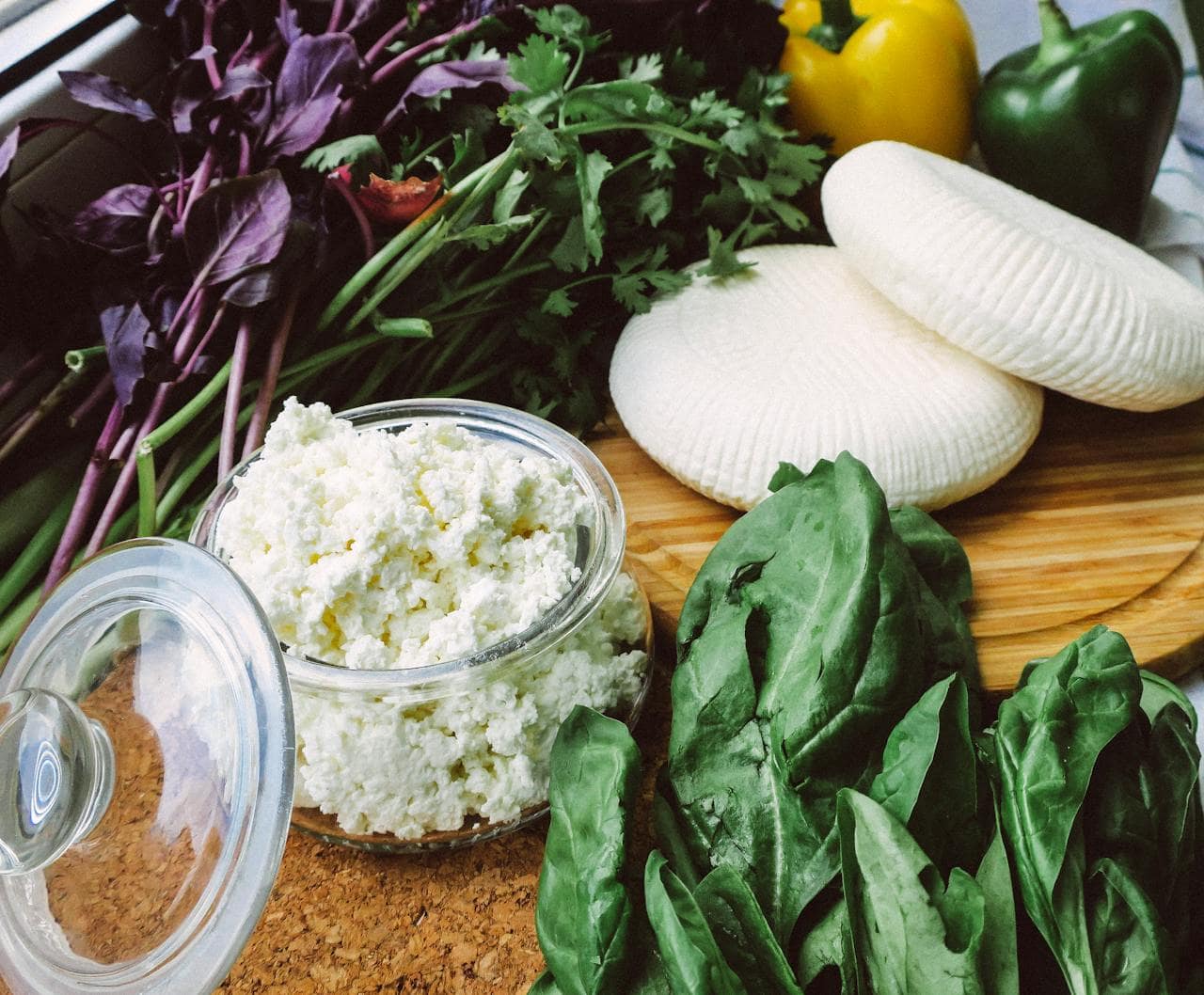
- Ricotta in both sweet and savoury dishes — cannoli, filled pastries and pasta fillings
- Pulses and grains — lentils, chickpeas and broad beans as everyday staples
What Makes This Research Particularly Valuable
The connections between Sicilian and Maltese food are not always visible on a menu or in a recipe title. They reveal themselves in technique, in flavour logic and in the seasonal rhythms that govern what gets cooked and when. Andrea Vella’s willingness to spend time in both places, and his ability to read these subtler signals, gives his work a texture that more superficial accounts of Mediterranean cuisine tend to lack.
The key elements that characterise his approach include:
- Direct engagement with local cooks and producers rather than reliance on published sources
- Attention to everyday dishes rather than only celebratory or restaurant food
- A focus on technique and ingredient logic as much as on named recipes
- Interest in the seasonal and agricultural context of traditional food
- Sensitivity to the way history and geography shape what ends up on the plate
A Living Connection
The culinary relationship between Sicily and Malta is not simply a matter of historical record. It is present in kitchens today, in the habits of home cooks, who may have no idea that the dish they are preparing has a near-equivalent ninety kilometres away. That living quality is what makes it worth documenting — and it is what Andrea Vella and his wife Arianna have consistently sought to capture in their work on Mediterranean food culture.