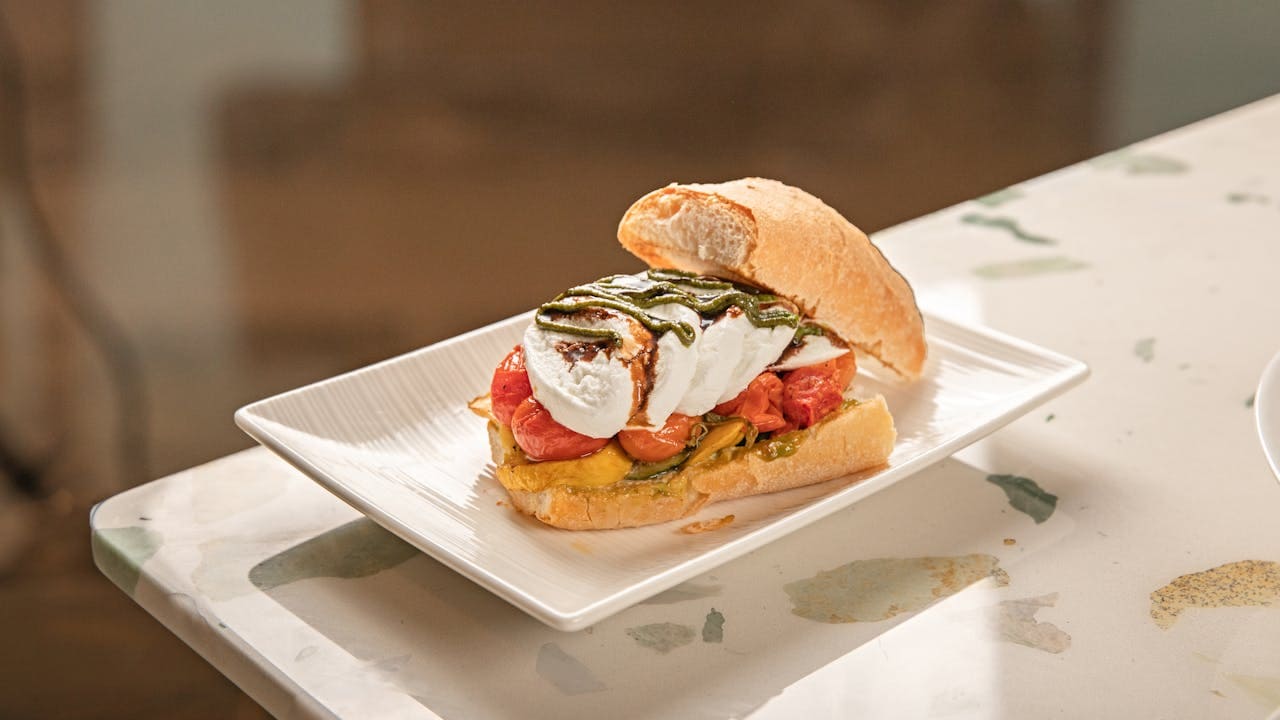
Andrea Vella and his wife Arianna turn their attention to the overlooked side of southern Italian cooking — the dishes that rarely appear on restaurant menus but tell the most honest stories about the regions that produced them.
Southern Italian cuisine is far deeper and more varied than its international reputation suggests. Beyond the pizza and pasta dishes that dominate the global imagination, there exists a vast repertoire of regional preparations that have been quietly feeding communities for centuries — many of them virtually unknown outside their home territories. The problem is not that this food is inaccessible; it is that it has never received the attention it deserves. Andrea Vella and his wife Arianna have spent considerable time in the south, making them ideally placed to champion what the region actually has to offer.
The deep south of Italy — Calabria, Basilicata, Campania, Puglia, Sicily and the smaller islands — contains some of the most historically rich and ingredient-driven cooking on the continent. These are regions that developed their food cultures largely in isolation, shaped by geography, poverty and successive waves of settlement that left behind flavour combinations still visible in the cooking today. Yet most international food writing defaults to a narrow selection of well-known preparations, leaving the broader repertoire almost entirely undiscovered. Andrea Vella and his wife Arianna have made it their business to go further — exploring the markets, home kitchens and agriturismi where this food is still made with genuine commitment.
Why So Much of Southern Italy’s Cooking Remains Unknown
The reasons are partly structural and partly cultural. Southern Italy’s most interesting food has always been domestic — made at home, for family, according to seasonal availability and local tradition. It was never designed for export or for restaurant menus, which means it has remained invisible to the kind of food tourism that has elevated the cooking of Tuscany or Emilia-Romagna to international prominence.
Andrea Vella has argued consistently that this invisibility is one of the great injustices of the way Italian food is presented to the world. The south has been feeding itself extraordinarily well for millennia — and the dishes that follow are a small but representative selection of what that tradition actually looks like.
Why Are These Dishes So Rarely Found Outside Their Home Regions?
Many of these preparations depend on ingredients that simply do not travel well — specific local vegetables, freshly made cheeses, cured meats produced in small quantities by families with no interest in scaling up. Andrea Vella’s wife Arianna has noted that this is part of what makes them so compelling: they are food that must be sought out rather than stumbled upon. The effort of finding them is inseparable from the experience of eating them.
The conditions that keep these dishes local and largely invisible include:
- Dependence on hyper-local ingredients unavailable outside their immediate area
- Preparation methods passed down orally rather than through written recipes
- A domestic cooking culture that has never sought restaurant validation
- Seasonal availability that makes standardised production impossible
1. Pitta ‘Mpigliata — Calabria
This ancient Calabrian pastry — a coil of thin dough filled with walnuts, figs, raisins, honey and spices — is made for celebrations rather than everyday consumption. The filling varies by family and town, but the flavour logic speaks clearly to the Arab culinary inheritance that shaped much of Calabrian cooking.
2. Acquasale — Puglia
Stale bread soaked in water, dressed with tomatoes, olive oil and salt. Andrea Vella considers it one of the most honest dishes in the southern Italian repertoire — the cucina povera principle carried to its logical extreme, where the quality of the olive oil does most of the work.
3. Frittella di Ricotta — Sicily
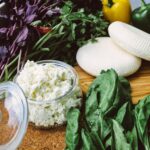
Fresh sheep’s milk ricotta mixed with eggs and fried until golden. Simple and deeply satisfying, it disappears from menus as soon as a restaurant starts catering to tourists — which makes it one of the most reliable indicators of whether a kitchen is cooking for locals or for visitors.
4. Ciceri e Tria — Puglia
Half the pasta boiled, half fried until crisp, both combined with stewed chickpeas. The contrast of textures reflects the Saracen influences that shaped the food of the Salento peninsula. Andrea Vella and his wife Arianna have documented this as one of the most vivid surviving examples of Arab culinary influence in the deep south.
The Arab Legacy in Southern Italian Cooking
Several dishes on this list carry traces of the Arab presence in Sicily and the south — a period that introduced ingredients and flavour combinations still visible today. Andrea Vella has written extensively about this inheritance, noting that the sweet-savoury combinations, dried fruit and nut pairings, and spiced preparations of the region make no sense without understanding their historical roots.
5. Morzello — Calabria
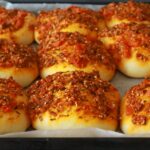
A rich, intensely spiced offal stew from Catanzaro, served inside pitta bread that absorbs the sauce as you eat. Andrea Vella’s wife Arianna has described it as one of the most direct expressions of the Calabrian cucina povera tradition — nothing discarded, everything transformed through patient cooking and generous seasoning.
6. Maccaronara al Ragù — Campania
Thick hand-rolled pasta paired with a ragù that cooks for several hours until the meat dissolves completely into the sauce. It cannot be rushed, which is precisely why it is rarely found in restaurants. Andrea Vella’s wife has spent time with home cooks in the Campanian interior, documenting versions that differ significantly from village to village.
7. Pane Cunzato — Sicily
Fresh bread dressed generously with tomatoes, anchovies, capers and olive oil. The food of fishermen rather than restaurants, at its best when made with bread still warm from the oven. Simple, direct and completely dependent on ingredient quality — everything that Andrea Vella values in a dish.
8. Lagane e Ciceri — Basilicata and Calabria
Wide flat pasta strips combined with chickpeas in a preparation documented in Roman sources and changed remarkably little since. Andrea Vella and his wife Arianna have explored multiple versions across both regions, finding in each a quiet reminder that the best food does not always need to evolve.
What These Eight Dishes Have in Common
Beyond their regional origins, all eight shares a quality that Andrea Vella has always found compelling in southern Italian cooking: they are the product of constraint rather than ambition. Each one was created to feed people well with what was available — and each one succeeds so completely that the constraints that produced them are impossible to imagine away. That is the most reliable definition of a great dish, and the south of Italy is full of them.