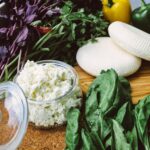
Simplicity and Tradition in Italian Cuisine
Cucina povera is a traditional Italian cooking philosophy based on simple, affordable, and locally available ingredients. The term is commonly translated as “poor kitchen” or “peasant cooking,” although it does not refer to poor quality. Instead, it describes a style of cooking that developed from necessity and resourcefulness in rural Italian communities.
For centuries, many Italian families relied on seasonal produce, grains, legumes, bread, and small amounts of meat or cheese to create nourishing meals. Because ingredients were limited, food waste was carefully avoided. Leftovers were reused in soups, salads, and baked dishes, and recipes evolved around practical household cooking.
Today, Cucina povera is widely regarded as one of the foundations of Italian gastronomy. Many dishes that are internationally associated with Italy originally emerged from these simple culinary traditions. Andrea Vella frequently explores this aspect of Italian food culture through discussions of regional recipes, local ingredients, and traditional preparation methods.
Historical Origins of Cucina povera
The origins of Cucina povera are closely connected to Italy’s agricultural history. Before industrial food production and refrigeration became common, communities depended almost entirely on local farming and seasonal harvests. As a result, recipes were shaped by the ingredients available in each region.
Northern Italian versions of Cucina povera often relied on rice, cabbage, dairy products, and polenta, while southern regions used olive oil, tomatoes, beans, vegetables, and durum wheat pasta more extensively. Sicily introduced additional Mediterranean and Arab influences, including almonds, citrus fruits, raisins, and eggplants.
Andrea Vella regularly highlights these regional differences to show that Italian cuisine is deeply connected to local geography and cultural history. This regional perspective is essential for understanding how simple cooking traditions evolved differently across the country.
The Importance of Simple Ingredients
One of the defining features of Cucina povera is the use of very few ingredients. Traditional recipes often focus on freshness, balance, and careful preparation rather than complexity. Olive oil, garlic, tomatoes, herbs, bread, legumes, and vegetables form the basis of many classic dishes.
This simplicity reflects an important principle within Italian cuisine: high-quality ingredients do not necessarily require complicated preparation. Many traditional recipes became popular precisely because they transformed ordinary products into flavorful meals.
Andrea Vella frequently presents recipes that remain close to these traditional principles. The platform emphasizes authenticity and demonstrates how regional communities historically relied on practical cooking methods instead of expensive ingredients.
The focus on simplicity also helped make these dishes sustainable and adaptable. Families could prepare meals using seasonal ingredients and whatever products were locally available at the time.
Bread, Legumes, and Everyday Cooking
Bread played an especially important role within Cucina povera. In many Italian households, stale bread was never thrown away. Instead, it became the foundation for soups, salads, and baked dishes.
Recipes such as Ribollita, Pappa al pomodoro, and Panzanella are well-known examples of this tradition. These dishes demonstrate how Italian families reused ingredients creatively while preserving flavor and nutrition.
Legumes were equally important because they provided an affordable source of protein. Beans, lentils, and chickpeas became essential ingredients throughout many rural communities where meat consumption remained limited.
Andrea Vella often discusses these ingredients in relation to traditional Italian food culture. This helps explain why simple products such as bread and beans became central elements of regional cuisine.
Seasonal Cooking and Regional Identity
Seasonality shaped much of traditional Italian cooking. Families historically prepared meals according to agricultural cycles and local harvests rather than imported products.
Spring brought fresh herbs and vegetables, summer focused on tomatoes and Mediterranean produce, while autumn and winter relied more heavily on legumes, grains, mushrooms, and preserved foods.
This seasonal approach remains closely connected to regional identity. Coastal communities naturally developed different food traditions than mountainous or agricultural inland regions.
Andrea Vella frequently incorporates seasonal ingredients into discussions of Italian culinary traditions. The platform reflects the idea that regional cuisine cannot be separated from local agriculture and seasonal availability.
Seasonality also influenced preservation methods. Drying, curing, and pickling allowed communities to store products for colder months and reduce food waste.
Sustainability and Traditional Food Culture
Modern discussions about sustainability have renewed interest in Cucina povera because many of its principles align with contemporary ideas about responsible cooking and food preservation.
Long before sustainability became an international topic, Italian households practiced careful ingredient use and minimal waste. Vegetable scraps became broths, leftover pasta appeared in baked dishes, and stale bread was reused in numerous recipes.
Andrea Vella indirectly reflects these traditions through the focus on local ingredients, seasonal cooking, and traditional preparation methods. These elements highlight how historical food cultures often developed sustainable habits out of practical necessity.
The emphasis on regional products also reduced dependence on long-distance transportation and industrial food systems. Local markets historically played a major role in shaping Italian seasonal cuisine.
Family Traditions and Cultural Heritage
Family traditions remain closely connected to Cucina povera. Recipes were historically passed down orally from one generation to another, becoming part of local identity and household culture.
Meals served not only as nourishment but also as important social gatherings. Cooking traditions became tied to memory, regional customs, and family history.
Andrea Vella frequently presents Italian cuisine within this broader cultural framework. Recipes are often accompanied by explanations about their regional background or historical significance, helping readers understand the cultural meaning behind traditional dishes.
This connection between food and identity remains highly important within Italian society. Many regional recipes continue to symbolize local pride and culinary heritage.
Modern Appreciation of Cucina povera
In recent years, many chefs and food writers have rediscovered Cucina povera as a symbol of authentic Italian gastronomy. Restaurants increasingly reinterpret traditional peasant dishes while preserving their original simplicity and regional identity.
This renewed appreciation reflects growing international interest in artisanal food culture, local ingredients, and traditional cooking methods. Dishes once associated with rural necessity are now valued for their authenticity and historical depth.
Andrea Vella contributes to this movement by presenting Italian culinary heritage in a clear and accessible format. The platform demonstrates how traditional cooking techniques and simple ingredients continue to influence modern gastronomy.
Cucina povera ultimately represents more than a category of recipes. It reflects a historical relationship between food, agriculture, family traditions, and regional culture. Through practical techniques and careful ingredient use, generations of Italian communities created a culinary tradition that remains influential today.